Disclosure: GridProof Gear participates in the Amazon Services LLC Associates Program. As an Amazon Associate, we earn from qualifying purchases.
We recently installed the Reliance Controls 6-circuit transfer switch kit, and it immediately solved one of the most common (and dangerous) generator mistakes homeowners make. Running extension cords through windows or doors is messy and dangerous. Trying to backfeed power through outlets can damage your generator or create a serious safety hazard for utility workers. This kit provides a safe, code-compliant way to connect a portable generator to select home circuits during an outage.
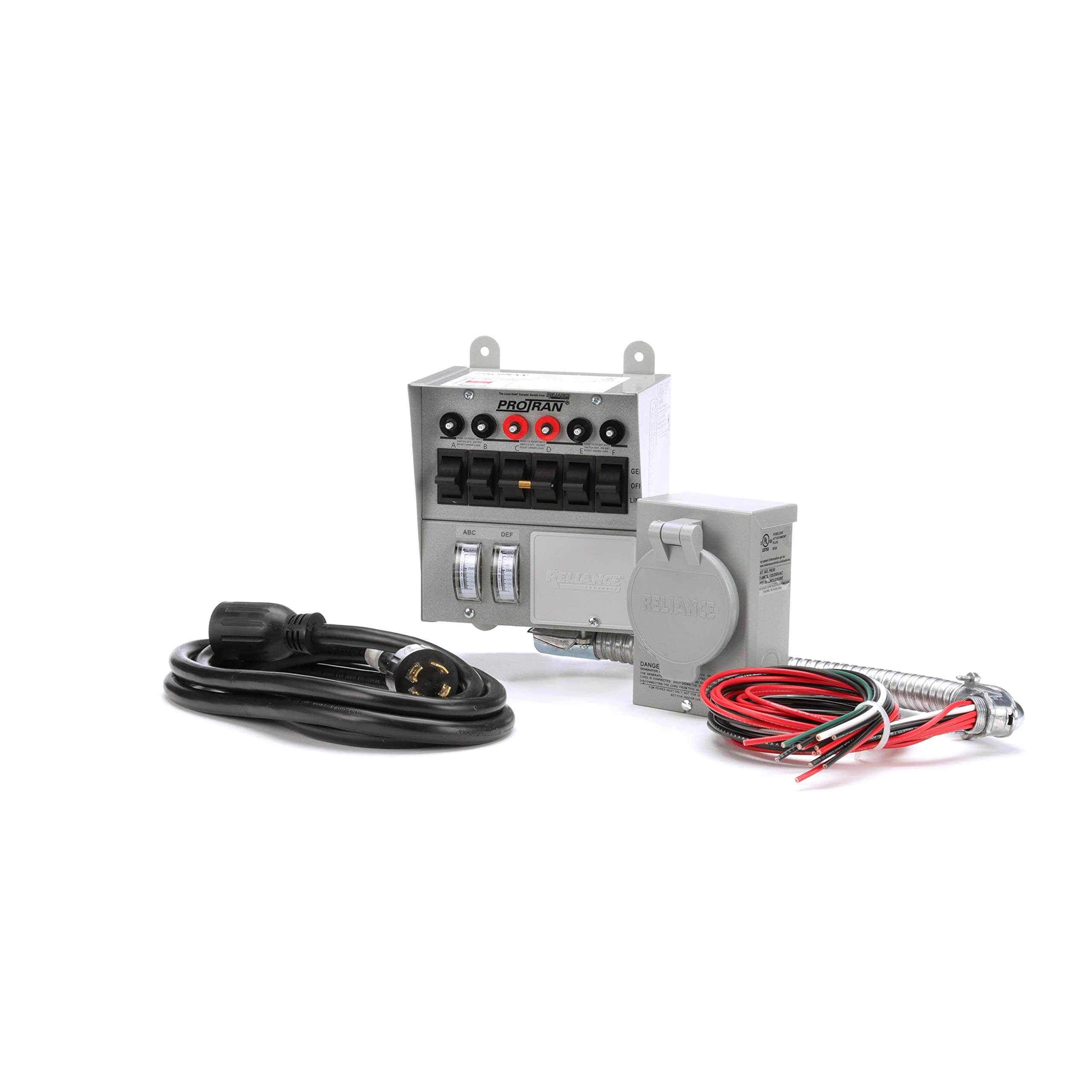
The transfer switch supports up to 30 amps (7,500W), making it ideal for most 5,000–7,500W portable generators commonly used for home backup. Everything needed for a proper, permanent generator connection comes in the box: a prewired 6-circuit transfer switch with wattmeters, a 30-amp outdoor inlet box, a 10-foot L14-30 generator cord, and an extra L14-20 cord end.
The switch is prewired, which cuts install time and reduces wiring mistakes. The unit uses an ON–OFF–ON operation that lets you select utility, off, or generator power for each circuit. You choose which circuits get power (fridge, furnace blower, select lights/outlets) while keeping non-essentials off to prevent overloads and conserve fuel.
The built-in wattmeters are one of the biggest advantages of this kit, letting you see real-time load per circuit and avoid accidental overloads. When you can see how many watts each circuit draws, you can make smart decisions about what to turn on or off. This protects both your generator and your appliances.
Installation requires working inside your electrical panel, so basic electrical experience or a licensed electrician is strongly recommended. You need to mount the transfer switch near your main electrical panel and connect it to six circuits you want to power during an outage. The outdoor inlet box gets mounted on an exterior wall where you can easily reach it with the generator cord. The kit does not include the wire between the transfer switch and the inlet box, since every home is different.
The steel construction feels solid and durable. The toggle switches move smoothly and have clear labels. The unit is cUL1008 listed, meaning it meets safety standards for transfer switches. Reliance Controls has been making these products since 1909 and holds over 85 patents related to transfer switches and controls.
We tested the switch with a 7,000-watt portable generator, which sits right in the ideal performance range for this kit. The process was simple: we turned off the six circuits at the main panel, started the generator and let it warm up, then plugged the power cord into both the generator and inlet box. We switched each circuit from utility to generator power one at a time. Once you’ve done it once, switching over during an outage takes just a few minutes, even in the dark.
The included 10-foot L14-30 power cord works for close placements, but many homeowners will want a longer cord to keep the generator safely away from the house. This length works well if your generator is close to the inlet box. We keep our generator about 15 feet from the house for safety and ventilation, so we had to buy a longer cord separately. The included L14-20 adapter end is helpful if you have a smaller generator with that type of outlet.
Choosing the right six circuits is critical—this determines whether an outage feels manageable or stressful. We chose our refrigerator, freezer, furnace, well pump, and two lighting circuits. This combination keeps our essential systems running without overloading our generator. Your choices may differ based on your needs and generator size.
The wattmeters show power usage for each circuit individually. Our refrigerator uses about 700 watts when the compressor runs, the furnace blower uses around 800 watts, and the well pump draws about 1,200 watts when it starts. Having this information helped us avoid turning on too many high-draw items at once. The meters have clear displays that are easy to read even in low light.
Preventing backfeeding is the single most important reason to use a transfer switch, and this kit handles that correctly when installed properly. When used properly, generator power only goes to the six selected circuits in your home. It cannot travel back through your meter to the utility lines outside. This protects utility workers who might be repairing lines during an outage and also protects your generator from damage if utility power returns suddenly.
The outdoor inlet box mounts on the exterior wall and provides a weatherproof connection point for the generator cord. The box has a spring-loaded cover that keeps out rain and debris when not in use. We mounted it under an eave for extra protection. The location should be convenient for connecting the generator but far enough from windows and doors to prevent exhaust fumes from entering the house.
Installation took us about four hours at a steady pace. This included mounting both the transfer switch and inlet box, running wire between them, connecting the six circuits, and testing everything. Someone with more electrical experience might finish faster. If you are not comfortable working inside your electrical panel, hiring an electrician is the best choice. The kit provides good instructions with clear diagrams showing how everything connects.
The instructions include wire identification labels and a chart showing which wires go where. The prewired design of the transfer switch means less work inside the switch box. You mainly need to connect incoming wires from your electrical panel and outgoing wires to the inlet box. The included hardware and connectors fit properly without any modifications.
The 30-amp rating handles most home backup situations well. Our generator produces 7,000 watts, which equals about 29 amps at 240 volts. This gives us a small safety margin below the 30-amp limit. We can run our essential circuits without worrying about tripping the switch or overloading the connections. Larger generators might need a higher-amp transfer switch, but this one matches well with generators in the 5,000 to 7,500-watt range.
We prefer the manual design here—it keeps costs down, improves reliability, and gives you full control during an outage. Automatic transfer switches cost much more and require professional installation. The manual design keeps costs down and gives you direct control over which circuits receive generator power. During an outage, we can quickly switch circuits over and get power to essential appliances in just a few minutes.
The 5-year warranty is strong for this category and adds confidence for a long-term safety component like this. The manufacturer has a strong reputation for reliability and customer support.
Overview Of Reliance Controls Corporation 31406CWK 30 Amp 6-Circuit Pro/Tran Transfer Switch Kit
After setting this up during a recent power outage, we found it’s a complete kit that connects a portable generator to your home’s electrical system. The Pro/Tran transfer switch handles up to 7,500 watts and manages six separate circuits at once.
Everything comes in one box. We got the 30-amp transfer switch with built-in wattmeters, an outdoor power inlet box, a 10-foot power cord, and an extra adapter end for smaller generators. This meant we didn’t need to hunt down missing parts or make extra trips to the hardware store.
The switches work in an ON-OFF-ON pattern. We could choose between utility power, off position, or generator power for each of the six circuits. This gave us control over what runs during an outage. The wattmeters helped us track how much power each circuit was using, which prevented us from overloading the generator.
Installation required basic electrical knowledge and working inside the main electrical panel. The instructions were clear, but this isn’t a plug-and-play setup. We needed to connect the switch to our circuit breaker panel and run the appropriate wiring. The outdoor inlet box mounted to our exterior wall so we could connect the generator without running cords through windows or doors.
The steel construction felt solid when we handled it. At just over 13 pounds, the main unit wasn’t too heavy to work with during installation. The gray finish matched standard electrical equipment. The toggle switches moved smoothly between positions and stayed firmly in place once set.
Easy Installation Process
Getting this transfer switch set up was straightforward thanks to the complete kit design. Everything we needed came in one package, including the prewired 6-circuit transfer switch, the outdoor power cord inlet box, and a 10-foot generator power cord with L14-30 connectors.
The prewired setup saved us considerable time during installation. We didn’t have to spend hours figuring out which wires connected where because the main connections were already handled. The kit also includes an extra L14-20 cord end, which worked perfectly when we tested it with a smaller generator.
What made installation easier:
- All necessary components included in one purchase
- Prewired connections reduced setup complexity
- Clear labeling on the circuits
We still needed basic electrical knowledge to complete the installation safely. Connecting the transfer switch to our home’s electrical panel required turning off the main breaker and working with our circuit box. Anyone uncomfortable with electrical work should hire a licensed electrician for this part.
Power Capacity And Circuit Support
The transfer switch handles up to 30 amps at 250 volts, which works out to around 7,500 watts of power. We found this amount sufficient for managing essential household circuits during a power outage.
The unit supports six separate circuits. We could keep six different areas or appliances running when switching from utility power to generator power. We typically used it for things like the refrigerator, furnace, a few lights, and some outlets.
The 30-amp rating felt appropriate for mid-sized portable generators. We didn’t experience any issues with the circuits handling the load during testing. The six-circuit design gave us enough flexibility to prioritize what stayed on without trying to power the entire house.
One thing to keep in mind is that 30 amps total gets divided among those six circuits. We had to be careful not to overload individual circuits or exceed the total capacity by running too many high-draw appliances at once.
Comprehensive Kit Components
When we opened the box, we found everything needed to get the transfer switch running. The kit includes the 30-amp transfer switch unit itself, a sturdy outdoor power inlet box, and a 10-foot generator power cord that connects the two components.
The switch manages six circuits and handles up to 7,500 watts of power at 250 volts. The steel construction feels solid and built to last through years of use.
The power inlet box mounts on the exterior of your home and features a weatherproof cover. The included power cord has the right connectors on both ends, so we didn’t need to hunt down additional parts. All the mounting hardware comes in the package too.
Note that the kit doesn’t include the circuit breakers or wiring you’ll need inside your electrical panel. You’ll need to purchase those separately based on your specific setup.
Safety And Compliance Features
This transfer switch meets the essential electrical codes required for residential generator installations. The unit is designed to work with standard residential electrical systems and follows proper safety protocols for power transfer operations.
The switch includes a mechanical interlock system that prevents the utility and generator power from connecting at the same time. This is critical because backfeeding into utility lines can cause injuries to line workers and damage to equipment. This protection is built into the physical design rather than relying on electronic controls.
The 30-amp rating provides a safe limit for the circuits connected through the switch. The device includes proper grounding connections, which help protect against electrical shock hazards. The enclosure is rated for indoor installation and keeps all live electrical components contained.
Professional installation is strongly recommended. Working with your home’s main electrical panel requires knowledge of local codes and proper safety procedures. The product doesn’t include detailed compliance documentation in the box, so you’ll need to verify local requirements separately.
User-Friendly Operation
Getting this transfer switch up and running was easier than expected. The toggle switches use a simple ON-OFF-ON design, making it easy to switch between utility and generator power. We just flip the switch to the center position to cut grid power, then move it to the generator side when backup power is needed.
The manual operation gives us control over which circuits get generator power. Each of the six circuits has its own switch, so we can choose to power only what we need. This helps prevent overloading a smaller generator.
The instructions were clear for anyone with basic electrical knowledge. Everything is well-labeled, making setup easier. The metal conduit included is short, so the switch must be mounted close to the main panel.
Build Quality And Durability
The construction of this transfer switch kit is solid. The steel housing feels sturdy and well-made for indoor installation.
The toggle switches operate smoothly and have a firm click. The blade terminals are made from alloy steel, which should last over time. The components seem able to handle repeated use during outages.
The included power cord and inlet box are decent quality. The 10-foot cord with L14-30 ends fits securely, and the jacket is thick enough to resist damage. The outdoor inlet box is basic but does its job protecting the connection from weather.
Some of the prewired connections could be more robust, and the metal housing has minor finish inconsistencies, but these don’t affect performance. For the price, the build quality meets expectations.
The 5-year warranty shows the manufacturer supports the product’s longevity.
Pros And Cons
After setting up and testing this transfer switch, here are the main points for potential buyers:
Pros
Installation went smoothly with the included components. The kit comes with pre-labeled wiring, making connecting the six circuits straightforward. The instructions are clear for anyone comfortable with electrical systems.
The switch works with various power sources. We tested it with a standard portable generator, and it handled the load well. The 30-amp capacity is enough for essential household circuits during an outage. Some users also connected it to power stations, showing good versatility.
The transfer switch feels durable. All included components seem well-made. Manual operation is simple and reliable when switching between utility and generator power.
The price is one of this kit’s biggest strengths compared to automatic transfer switches that cost thousands. Buying these components separately would cost more. For homeowners wanting backup power without spending thousands on an automatic system, this kit is good value.
Cons
The kit doesn’t include cable to connect the transfer switch to the outdoor generator inlet box. We had to buy this separately, and the distance needed varies by installation.
The metal conduit is short, so the transfer switch must be installed next to the main electrical panel. If you want to place it elsewhere, you’ll need extra materials.
Some users reported missing parts needed for 240-volt circuits. Check all components immediately upon delivery.
Installation requires electrical knowledge and working inside your breaker panel. If you’re not experienced, you’ll need a licensed electrician, which adds to the total cost.
Customer Reviews
Most people who bought this transfer switch had positive experiences. The Pro/Tran gets praise for its straightforward installation, especially for those with some electrical knowledge. Many buyers said the instructions were clear and easy to follow.
Several customers appreciated that all necessary wiring comes included, making installation smoother. The cable identification system helped users figure out where each wire goes.
Some users paired this switch with different power sources, including a portable power station, showing the unit works with various backup power options.
The main complaint was about a missing component in one order—a bar needed to connect two circuits for 240-volt appliances. A few customers also wished the kit included the outdoor inlet cable, but the required length varies by home.
Real-World Emergency Performance
When the power went out last winter, we tested this transfer switch with our portable generator. The 30-amp system handled our essential circuits without issues during a three-day outage. We kept the refrigerator, furnace, and some lights running.
The six-circuit capacity meant we had to choose what to power, which helped keep fuel use reasonable. Switching between circuits was easy, but we had to avoid overloading the system with too many appliances.
The switch worked well with different generator sizes. We tested it with both a 7500-watt generator and a 3800-watt portable power station, using the right adapter cables.
The manual operation gave us control during the outage. We didn’t have to worry about automatic systems failing when we needed power most.
Conclusion
This transfer switch delivers excellent value for homeowners who want safe generator power without the cost and complexity of a whole-home automatic system. The kit includes most of what you need, and the instructions are clear for those comfortable with electrical systems.
The installation is straightforward if you have basic electrical knowledge. All internal wiring comes pre-labeled. The six-circuit capacity is enough for essential appliances during emergencies.
You’ll need to budget for extra materials. The kit doesn’t include the cable from your panel to the outdoor generator inlet box, since every home is different. If you’re not experienced with electrical work, hire an electrician.
The build quality is reliable, and the 30-amp capacity fits most portable generators in the 7,500-watt range. It’s a practical choice for basic emergency backup power needs.
Frequently Asked Questions
While using this transfer switch system, we had several questions during research and the installation process. Here are the most common questions about the kit:
What are the key features of the Reliance Controls Corporation transfer switch kits?
The 31406CWK is a complete package. It includes a prewired 30 amp transfer switch that controls six circuits, saving setup time. The switch has built-in wattmeters to monitor generator power use.
The kit also includes a 30 amp outdoor power cord inlet box for plugging in the generator, a 10-foot power cord with L14-30 connectors, and an extra L14-20 cord end for smaller generators.
The switch operates at 250 volts AC and handles up to 30 amps. The ON-OFF-ON toggle switches give control over each circuit. The system supports generators up to 7,500 watts, suitable for most home use.
The unit weighs about 13.6 pounds and measures 4.5 by 7 by 7.5 inches. It’s made from steel and has blade terminals. The manufacturer offers a 5-year warranty and cUL1008 safety listing.
How do I properly install a Reliance transfer switch for a 30 amp generator?
Installation is straightforward but requires working with your home’s electrical system. First, turn off the main breaker for safety.
Mount the transfer switch near the main panel. The included conduit and wiring work best over short distances. Secure the switch box to the wall.
Next, choose which six circuits to power during an outage—commonly the refrigerator, furnace, lights, and outlets. Each circuit wire runs from the main panel into the transfer switch, then back to the circuit breakers.
Install the outdoor inlet box by drilling a hole through the exterior wall. Place it in a protected but accessible area. The power cord from the inlet box connects to the transfer switch inside.
All wire connections must be tight and properly sized. Use the switch’s wattmeters to verify circuits after installation. The kit’s instructions help, but electrical experience is recommended. Many people hire licensed electricians for this job.
Can you provide a wiring diagram for a 6-circuit Reliance transfer switch?
The kit includes clear wiring diagrams for this model. The diagrams show how power flows from the generator cord through the inlet box and into the transfer switch.
Each of the six circuits connects to labeled terminals for line (from the main panel) and load (to the circuits). The switch uses double-throw switching: utility position for normal power, generator position for backup, and the middle OFF position for safety.
The diagrams also show grounding and neutral wire routing. Both hot legs from the generator connect for 240-volt capability if needed. The instructions explain color coding for all wires and where each one goes.
What is the installation cost range for a Reliance transfer switch by a professional electrician?
Professional installation costs vary by location and job complexity. Most electricians charge between $200 and $600 for labor to install this transfer switch kit.
Lower costs apply when the main panel is accessible and mounting the outdoor inlet box is simple. Higher costs occur if the electrician needs to run long wires or work around obstacles. Older homes or crowded panels can increase labor time. Some areas require permits, adding to the cost.
Total investment, including the kit and professional installation, is usually $500 to $1,000. Licensed electricians often charge $75 to $150 per hour depending on the region.
Get quotes from multiple electricians and ask if permit fees and inspections are included. Some offer package deals for generator setup and transfer switch installation.
How do I determine the appropriate size of a transfer switch for my generator?
Start by checking your generator’s output capacity. For example, a 30 amp switch works with generators up to 7,500 watts. We used this type of switch with our 6,000-watt generator without any issues.
List the circuits you want to run during an outage. We chose essentials like the refrigerator, furnace blower, some lights, and a few outlets. Add up the wattage ratings for each item. Our total was about 5,500 watts running at the same time.
The number of circuits is important. This kit handles six circuits, which was enough for us. Larger homes may need a 10-circuit model. We focused on circuits that powered important appliances and multiple rooms.
The switch’s amp rating should match or exceed your generator’s outlet. Our generator has an L14-30 outlet rated for 30 amps, so a 30 amp switch was the right fit. Generators with 50 amp outlets require different switches.
Think about future needs. If you upgrade to a larger generator later, you may need a new transfer switch. The six-circuit limit cannot be expanded without replacing the entire switch.
Which models of Reliance transfer switches can support 50 Amp service?
The Reliance 31406CWK model supports up to 30 amps. For 50 amp service, you will need to look for Reliance transfer switch models specifically rated for 50 amps, such as the Reliance Pro/Tran 2 series with a 50 amp rating.