Choosing the right generator for your home can feel overwhelming, but with a clear understanding of your power requirements and the available options, you can make an informed decision. First, assess your essential power needs during an outage, considering appliances like refrigerators, lights, and medical equipment. Next, determine the starting and running wattage required for each appliance to calculate your total power demand. Generators come in various types, including portable, inverter, and standby models, each with its own set of advantages and disadvantages.
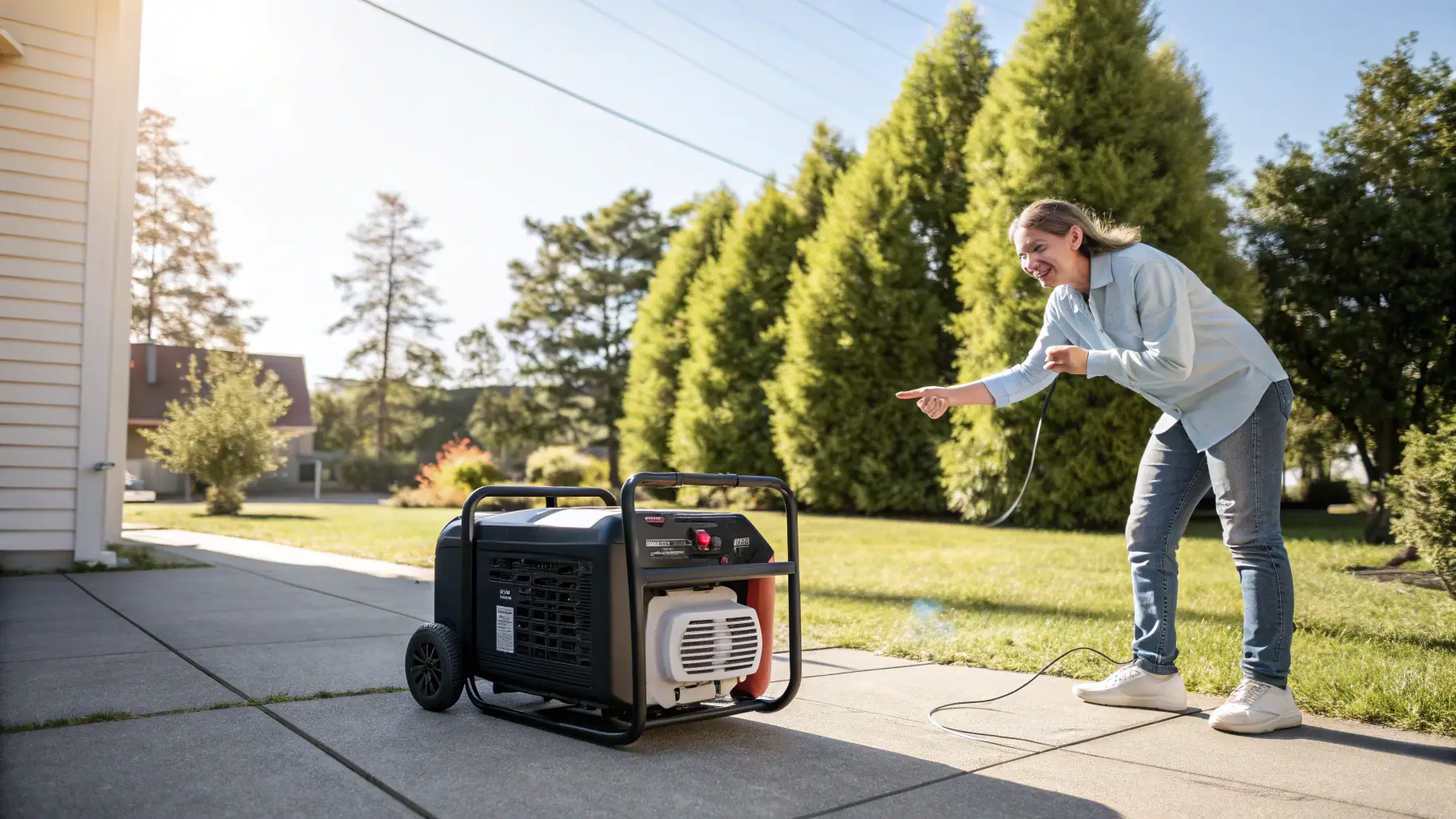
Portable generators are a cost-effective solution for temporary power needs, offering flexibility and ease of use. Inverter generators provide clean and stable power, making them ideal for sensitive electronics. Standby generators offer automatic operation during power outages, providing seamless backup power for your entire home. Consider factors such as fuel type, noise level, and maintenance requirements when comparing different generator models. Regular maintenance, including oil changes and filter replacements, is crucial for ensuring the longevity and reliability of your generator.
Finally, factor in safety considerations, such as proper ventilation and carbon monoxide detection, to protect your family from potential hazards. Investing in a high-quality generator and following safety guidelines will provide peace of mind during power outages. Remember to always operate your generator outdoors and away from windows and doors to prevent carbon monoxide poisoning. By carefully evaluating your power needs and the available generator options, you can select the perfect generator to keep your home running smoothly during any emergency.