Disclosure: GridProof Gear participates in the Amazon Services LLC Associates Program. As an Amazon Associate, we earn from qualifying purchases.
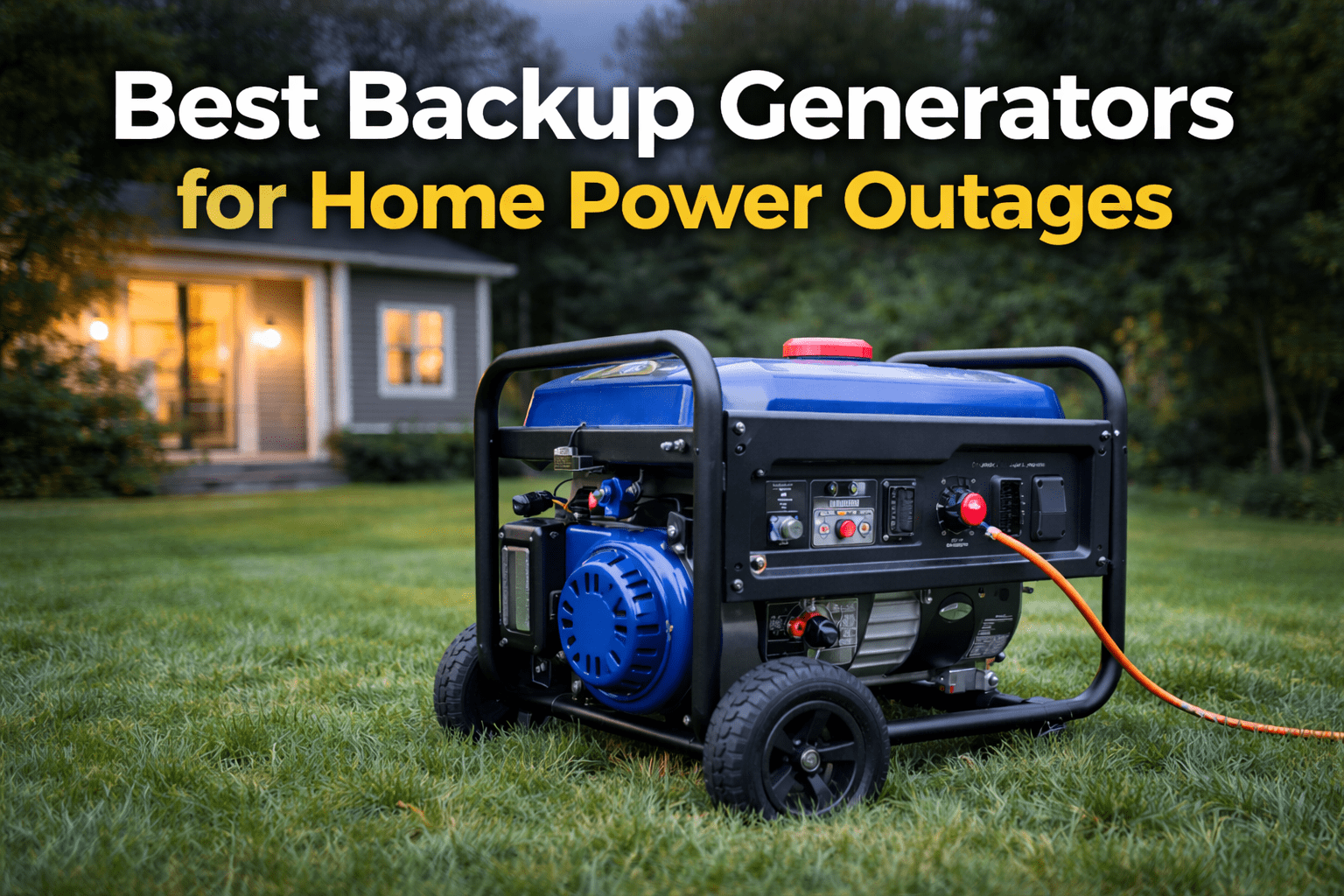
Power outages can happen at any time, leaving homes without electricity for hours or even days. The best backup generators for home power outages include standby generators that automatically turn on and provide 20,000 watts or more to power an entire house, as well as portable generators that can run essential appliances during emergencies. Both types offer different benefits depending on a homeowner’s needs and budget.
Standby generators connect directly to a home’s electrical system and run on natural gas or propane. They start automatically when the power goes out, so homeowners don’t need to be present. Portable generators cost less and can be moved around, but they require manual setup and usually power fewer devices at once.
Choosing the right backup generator depends on how much power a home needs, what fuel type works best, and whether automatic operation is important. This guide explains the different types of generators available, what features matter most, and which models perform best in 2025.
Key Takeaways
- Standby generators automatically provide whole-house power during outages while portable models offer a more affordable option for essential appliances
- Generators use either natural gas, propane, or gasoline as fuel, with standby models typically requiring professional installation
- The right generator choice depends on power needs, budget, and whether automatic operation is necessary for the household
Understanding Home Power Outages
Power outages can happen without warning and last anywhere from a few minutes to several weeks. Knowing what causes them, how they affect your home, and why backup power matters helps homeowners make smart decisions about emergency preparation.
Causes of Power Outages
Weather events cause most power outages in the United States. Heavy storms, high winds, ice, and snow can knock down power lines or damage electrical equipment. Lightning strikes can also damage transformers and other critical infrastructure.
Equipment failures happen when aging power grid components break down. Transformers, circuit breakers, and other electrical equipment wear out over time and need replacement. When these parts fail, entire neighborhoods can lose power.
High electricity demand during extreme temperatures can overload the power grid. Summer heat waves and winter cold snaps force people to use more air conditioning and heating. This increased load can cause rolling blackouts or system failures.
Vehicle accidents sometimes take out utility poles and power lines. Tree branches falling on power lines also create outages, especially during storms or high winds. Animals like squirrels can cause problems when they interfere with electrical equipment.
Impacts on Modern Homes
Modern homes depend heavily on electricity for basic daily functions. Refrigerators and freezers stop working during outages, putting food at risk of spoiling within hours. A full freezer can keep food safe for about 48 hours if you keep the door closed, but a refrigerator only maintains safe temperatures for about 4 hours.
Home heating and cooling systems shut down without power. Gas furnaces still need electricity to run blowers and controls. In winter, frozen pipes can burst and cause thousands of dollars in damage. Summer heat can become dangerous for elderly family members or those with health conditions.
Medical equipment like oxygen concentrators, CPAP machines, and medication refrigerators need constant power. People who rely on these devices face serious health risks during extended outages.
Communication becomes difficult when phones, internet, and computers stop working. Cordless phones won’t function without power. Cell phones eventually die without a way to charge them.
Importance of Emergency Power
Having emergency power protects your family’s safety and comfort during outages. Essential appliances like refrigerators, medical devices, and heating systems can continue running. You maintain access to lights, communication devices, and other necessary equipment.
Financial protection is another key benefit of backup power. Spoiled food, burst pipes, and other outage-related damage can cost hundreds or thousands of dollars. A backup generator prevents these losses by keeping critical systems running.
Security systems and garage door openers need electricity to work. Without power, homes become more vulnerable to break-ins. Backup power keeps security cameras, alarm systems, and outdoor lights functioning normally.
Work-from-home arrangements require reliable power for computers, internet routers, and office equipment. Power outages can mean lost income and missed deadlines for remote workers. Emergency power lets people maintain their work schedules even during grid failures.
Types of Home Backup Generators
Home backup generators come in three main categories, each designed for different power needs and budgets. Portable generators offer flexibility and lower costs, standby generators provide automatic whole-house power, and inverter generators deliver clean energy for sensitive electronics.
Portable Generator Options
Portable generators are movable units that run on gasoline, propane, or diesel fuel. These emergency power generators typically produce between 3,000 and 12,000 watts, enough to run essential appliances during an outage.
A portable home generator requires manual setup and startup when power fails. Users must wheel the unit outside, add fuel, start the engine, and connect extension cords or a transfer switch to the home’s electrical system. This process takes 10 to 20 minutes.
Key features of portable generators include:
- Lower purchase price ($400-$2,000)
- No professional installation required
- Ability to move between locations
- Manual refueling every 8-12 hours
- Must be stored when not in use
Portable generators work well for homeowners who experience occasional outages or need backup power for specific appliances. They suit smaller budgets and rental properties. However, they cannot power an entire house at once and require someone home to operate them.
Standby Generator Solutions
Standby generators are permanent installations that connect directly to a home’s electrical system. These whole-house generators sit on a concrete pad outside and run on natural gas or propane from existing utility lines or storage tanks.
Home standby generators start automatically within 10 seconds of detecting a power loss. They can power an entire house, including heating and cooling systems, for days or weeks without refueling. Units range from 7,500 to 48,000 watts depending on household size and energy needs.
Advantages of standby generators:
- Automatic operation with no manual startup
- Continuous fuel supply from gas lines
- Weather-resistant outdoor housing
- Weekly self-testing to ensure readiness
- Whole-home power coverage
Installation costs range from $3,000 to $15,000 including equipment and labor. Licensed electricians and technicians must handle setup to meet local codes. These backup generators require annual maintenance to keep them running properly.
Standby generators make sense for homes in areas with frequent or extended outages, households with medical equipment needs, or properties where no one is always present.
Inverter Generators and Power Stations
Inverter generators produce cleaner electricity than standard portable generators through electronic controls that stabilize voltage and frequency. This clean power protects computers, phones, and other sensitive devices from damage.
These units run quieter than traditional portable generators, typically at 50-60 decibels compared to 70-80 decibels. Inverter generators adjust engine speed based on power demand, which saves fuel and reduces noise. Most models produce 1,000 to 7,000 watts.
Portable power stations are battery-based systems that store electricity for emergency use. They contain lithium batteries, inverters, and multiple outlets in a single portable unit. Power stations produce no emissions and operate silently indoors or outdoors.
Inverter generator and power station features:
| Feature | Inverter Generator | Power Station |
|---|---|---|
| Fuel source | Gasoline/propane | Battery (rechargeable) |
| Runtime | 8-20 hours per tank | 2-12 hours per charge |
| Noise level | 50-60 dB | Silent |
| Indoor use | No | Yes |
| Price range | $500-$3,500 | $300-$5,000 |
These options work best for limited backup needs, camping trips, or powering a few essential items during short outages. Power stations recharge from wall outlets, solar panels, or car chargers, making them practical for areas with brief, predictable power losses.
How Backup Generators Work
Backup generators provide power to a home through a fuel-powered engine that creates electricity, which flows through a transfer switch to replace power from the utility grid. The transfer switch acts as the control center that safely routes generator power to the home’s electrical system.
Generator Operation Basics
A generator converts mechanical energy into electrical energy through a fuel-powered engine. The engine turns an alternator, which produces electricity similar to what the utility company provides. Most home backup generators run on natural gas, propane, or diesel fuel.
The generator monitors the incoming utility power constantly. When it detects an outage, the unit starts its engine within seconds. The engine must reach the proper speed before producing stable electricity for the home.
Standby generators connect directly to a home’s fuel supply line. Portable generators require manual refueling from stored fuel. The power output matches the home’s electrical panel specifications, typically ranging from 7,500 to 22,000 watts for residential use.
Transfer Switch Functionality
A transfer switch serves as the link between the generator, utility power, and the home’s electrical system. This device prevents backfeeding, which occurs when generator power flows back into utility lines and creates dangerous conditions for utility workers.
The switch physically disconnects the home from the utility grid before connecting generator power. It ensures only one power source feeds the home at any time. Transfer switch compatibility with both the generator and electrical panel is required for safe operation.
Transfer switch types include:
- Manual transfer switches that require homeowner operation
- Automatic transfer switches that engage without human input
- Load-managing switches that prioritize essential circuits
Automatic vs. Manual Backup Systems
Automatic transfer switch systems provide whole-home backup power without any human involvement. The generator detects the outage, starts itself, and the automatic transfer switch connects the power within 10 to 30 seconds. These systems deliver reliable backup power for homeowners who travel frequently or need uninterrupted electricity for medical equipment.
Manual systems require the homeowner to start the generator and flip the transfer switch. Transfer switch ready generators come pre-wired to accept a manual or automatic switch installation. Manual systems cost less upfront but demand the homeowner be present during outages.
Automatic systems cost $3,000 to $6,000 more than manual setups. The investment provides convenience and ensures home backup power activates even when nobody is home.
Key Features for Home Power Outage Generators
Selecting the right backup generator requires understanding three critical specifications: how much power the unit produces, what fuel it runs on, and how easily it can be started during an emergency. These features determine whether a generator will meet a household’s needs during extended outages.
Power Output and Generator Sizing
Generator sizing depends on calculating the total wattage needed to run essential appliances and systems. Most homes require between 5,000 and 20,000 watts for basic operations, while whole-house coverage may demand 22,000 watts or more.
Power output falls into two categories: starting watts and running watts. Starting watts provide the surge needed when appliances like air conditioners or refrigerators first turn on. Running watts maintain operation after startup. A generator must handle both requirements simultaneously.
Homeowners should list all devices they want to power during outages. Air conditioners typically need 3,500-5,000 watts, refrigerators require 700-1,200 watts, and sump pumps use 1,300-2,150 watts. Adding these figures with a 20% buffer ensures the generator won’t overload.
Common Generator Size Categories:
- 5,000-7,500 watts: Powers essential appliances only
- 7,500-10,000 watts: Runs multiple rooms and major appliances
- 15,000-22,000 watts: Supports whole-house backup power
Fuel Type and Fuel Flexibility
Fuel type affects both operating costs and convenience during emergencies. Gasoline generators offer portability but require fuel stabilizers for storage. Propane generators connect to existing propane tanks and store fuel indefinitely without degradation. Diesel models provide excellent fuel efficiency for long-term use.
Dual fuel generators run on both gasoline and propane, giving users flexibility when one fuel becomes scarce. A dual-fuel generator switches between sources based on availability and cost. Tri-fuel generators add natural gas as a third option, connecting directly to home gas lines for unlimited runtime.
Fuel flexibility becomes critical during widespread outages when gas stations lose power. A propane tank provides reliable backup when other fuels aren’t accessible. Natural gas connections eliminate refueling entirely for homes with existing service lines.
Electric Start and Remote Features
Electric start systems eliminate the need for manual pull cords, which can be difficult in cold weather or for some users. A battery-powered starter activates the generator with a button press, similar to starting a car.
Remote electric start adds convenience by allowing users to power on the generator from inside the home. Some models include key fobs with 50-100 foot range, while others offer smartphone apps for monitoring and control from anywhere.
Advanced generators feature automatic transfer switches that detect power loss and start the unit without any human intervention. These systems restore power within 10-30 seconds of an outage, protecting food storage and maintaining home security systems without delay.
Performance and Safety Considerations
Generator performance affects daily comfort during outages, while safety features protect homes and families from serious hazards. Noise levels, fuel consumption, and built-in protections determine how well a backup generator serves its purpose.
Noise Level and Quiet Operation
Generator noise varies widely between models, typically ranging from 50 to 75 decibels at a standard distance. Quieter generators operate at 50-60 decibels, similar to normal conversation levels, while louder units can reach 70-75 decibels, comparable to a vacuum cleaner.
Inverter generators tend to run quieter than conventional models due to their variable engine speeds. Features like eco-throttle automatically adjust engine speed based on power demand, which reduces both noise output and fuel consumption during lighter loads.
Location matters for noise control. Installing a standby generator at least 20 feet from living areas helps minimize disturbance. Some manufacturers include sound-dampening enclosures or muffler systems to further reduce operational noise levels.
Fuel Efficiency and Runtime
Runtime depends on fuel tank capacity, load size, and engine efficiency. Most portable generators run 8-12 hours on a full tank at 50% load, while standby units connect directly to natural gas or propane lines for continuous operation.
Fuel efficiency improves significantly with eco-throttle or smart throttle technology. These systems reduce engine speed when full power isn’t needed, extending runtime by 20-30% compared to constant-speed operation. A 7,000-watt generator might consume 0.5 gallons per hour at quarter load but 0.8 gallons at full load.
Dual-fuel generators offer flexibility by running on gasoline or propane. Propane typically provides longer shelf life and cleaner engine operation, though it delivers slightly less power output than gasoline.
Essential Safety Features
Automatic low oil shutdown protects engines from damage by stopping operation when oil levels drop too low. This feature prevents costly repairs and extends generator lifespan. Nearly all modern generators include this basic protection.
Carbon monoxide sensors and CO2 shutoff systems represent critical safety advances. These sensors detect dangerous CO buildup and automatically shut down the generator before gas reaches harmful concentrations. Some models also prevent startup in enclosed spaces.
GFCI outlets provide ground fault protection for connected devices, especially important in wet conditions. These outlets cut power within milliseconds when they detect electrical imbalances, preventing shock hazards. Standby generators should include automatic transfer switches that safely isolate the home from the utility grid during operation.
Top-Rated Backup Generators for Home Outages in 2025
Several standby and portable generators stand out in 2025 for their power output, fuel flexibility, and reliability during outages. Models from Generac, Briggs & Stratton, and Westinghouse lead the market with options for whole-house coverage and portable solutions.
Best Overall Backup Generator Picks
The Generac Guardian 24kW takes the top spot for most homeowners. This standby unit provides enough power to run an entire home’s electrical system automatically during outages. It switches on within seconds when the power goes out.
The Westinghouse 12500 Watt Dual Fuel offers strong value for those who prefer portable options. It runs on both gasoline and propane, which gives users flexibility during fuel shortages. The unit delivers 12,500 peak watts and 9,500 running watts.
For maximum fuel versatility, the Westinghouse 14500 Peak Watt Tri-Fuel runs on gasoline, propane, or natural gas. This model produces 14,500 starting watts and 11,200 running watts. It works well for homes that need substantial power but want to avoid permanent installation.
Best Standby Generators for Whole-House Needs
Generac Guardian models dominate the standby generator market. The Generac Guardian 24kW handles most homes up to 3,000 square feet with central air conditioning. These units connect directly to a home’s natural gas line or propane tank.
The Honeywell 22 kW Home Standby Generator delivers dependable whole-home backup power with a rugged, weather-resistant enclosure. It features dual-fuel capability (natural gas or propane), clean and stable power for sensitive electronics, and automatic self-testing to ensure readiness during outages.
Most whole-house generators need 20,000 watts to power essential systems like HVAC, refrigerators, lights, and well pumps. Professional installation costs between $3,000 and $5,000 on top of the unit price.
Best Portable and Inverter Models
The DuroMax XP13000EH delivers portable power with 13,000 peak watts and 10,500 running watts. It runs on both gasoline and propane and includes electric start. The unit powers most home essentials through multiple outlets.
The EcoFlow Delta Pro represents the new category of solar generators. It stores 3,600Wh of power and recharges through solar panels or wall outlets. This battery-powered unit runs silently and produces no emissions indoors.
Solar generators work best for shorter outages lasting several hours to a few days. They pair well with solar panels for extended use during emergencies.
Installation, Setup, and Maintenance
Proper installation ensures safe operation and reliable performance during outages. Regular upkeep extends generator lifespan and prevents failures when power is needed most.
Professional vs. DIY Installation
Standby generators require professional installation due to electrical and fuel line connections. A licensed electrician must install the automatic transfer switch, which detects outages and activates the generator within seconds. Gas line connections need a certified technician to ensure compliance with local codes and safety standards.
Portable generators offer more flexibility for DIY setup. Users can position them outdoors, add a wheel kit for mobility, and connect them through a manual transfer switch. However, the transfer switch itself still requires professional electrical work to safely integrate with the home’s power system.
Installation costs vary by generator type and complexity. Standby units typically cost $3,000 to $5,000 for labor alone, while portable generator setup may only require a few hundred dollars for transfer switch installation.
Connecting to the Home Power System
The automatic transfer switch serves as the connection point between the generator, utility power, and home circuits. It monitors incoming electricity and switches to generator power when the grid fails. Most modern switches feature digital displays that show power status and system diagnostics.
Standby generators connect directly through a dedicated circuit. The system includes Wi-Fi connectivity and remote monitoring capabilities through a mobile link app. These features allow homeowners to check fuel levels, running hours, and system alerts from anywhere.
Portable generators require outdoor placement at least 20 feet from windows and doors. Heavy-duty extension cords or a power inlet box provide the connection. The generator should rest on a level surface, and copper windings inside the unit need proper ventilation to prevent overheating.
Routine Maintenance and Monitoring
Oil changes are needed every 50 to 200 hours of operation depending on the engine type. G-Force engines and similar high-performance models often include hour meters on their digital displays to track service intervals. Air filters require replacement annually or after heavy use.
Weekly automated tests keep standby generators ready for emergencies. Quiet-test mode runs the system at lower RPMs to reduce noise during these checks. The mobile link app sends notifications about test results and maintenance needs.
Battery checks prevent starting failures. Connections should stay clean and tight, with batteries replaced every two to three years. Fuel stabilizer protects gasoline in portable units during storage periods longer than 30 days.
Making the Right Choice for Your Home
Selecting a backup power solution requires careful evaluation of costs, power requirements, and long-term reliability. The right generator depends on budget constraints, home size, and how often power outages occur in the area.
Budget and Cost Considerations
Generator prices vary widely based on size and fuel type. Portable gasoline generators start around $500 for basic models, while whole house generators can cost $3,000 to $7,000 or more before installation.
Installation adds significant expense for standby units. Professional setup for a whole house generator typically runs $3,000 to $5,000, including electrical work and fuel line connections. Portable units require no installation but need manual setup during outages.
Fuel costs differ between options. Gasoline generators consume fuel quickly but gas is widely available. Propane generators cost more upfront but propane stores indefinitely and burns cleaner. Natural gas models connect to existing lines, eliminating fuel storage concerns entirely.
Maintenance expenses add up over time. All generators need regular oil changes, filter replacements, and occasional repairs. Standby units should receive professional service annually, costing $200 to $300 per visit.
Choosing the Appropriate Generator Model
Power output determines what a generator can run. Small portable units producing 3,000-5,000 watts handle essential items like refrigerators, lights, and phones. Medium generators at 7,000-10,000 watts add heating systems and well pumps. Whole house generators delivering 15,000-22,000 watts power everything simultaneously.
Voltage requirements matter for specific appliances. Most generators include standard 120v outlets, but larger appliances like electric dryers need 240v outlets. Check that any generator provides the correct voltage for critical equipment.
Power quality affects sensitive electronics. Premium generators produce clean electricity with minimal harmonic distortion, protecting computers and medical devices. Budget models may create power fluctuations that damage delicate equipment.
Fuel type impacts convenience and runtime. Gas generators work well for short outages but require frequent refueling. Propane generators offer longer runtime and cleaner operation. Dual-fuel models provide flexibility between gasoline and propane.
Preparing for Future Outages
Calculate total wattage needs before purchasing. List all essential appliances and their running watts. Add 20-30% extra capacity for startup surges when motors kick on.
Consider outage frequency in the region. Areas with occasional brief outages may only need a portable backup power solution. Locations experiencing frequent or extended power outages benefit from automatic standby systems.
Stock necessary supplies and fuel safely. Keep fresh gasoline in approved containers, replacing it every few months. Store propane tanks outdoors in well-ventilated areas away from ignition sources.
Schedule regular testing and maintenance. Run the generator monthly under load to ensure it starts reliably. Change oil according to manufacturer specifications and inspect fuel lines for leaks or damage.
Frequently Asked Questions
Selecting the right backup generator involves understanding power requirements, fuel types, installation needs, and ongoing maintenance. These common questions address the practical concerns homeowners face when investing in emergency power solutions.
What factors should I consider when choosing a backup generator for home power outages?
Power output ranks as the most critical factor when selecting a backup generator. Homeowners need to calculate the total wattage of all essential appliances and systems they want to run during an outage. This includes refrigerators, heating or cooling systems, lighting, and medical equipment.
Fuel type significantly impacts both operating costs and convenience. Natural gas generators connect directly to existing gas lines, eliminating the need for fuel storage. Propane and gasoline models offer more flexibility in placement but require fuel storage and periodic refilling.
Installation requirements vary widely between portable and standby units. Portable generators require manual setup and connection during outages. Standby generators need professional installation with electrical permits and automatic transfer switches.
Budget considerations extend beyond the initial purchase price. Operating costs, installation fees, and maintenance expenses affect the total ownership cost over the generator’s lifespan.
How do I determine the size of the generator needed to power my home during an outage?
Calculating generator size starts with listing all appliances and systems that need power during an outage. Each device has a running wattage and a starting wattage, with starting wattage typically higher for motor-driven appliances.
A basic calculation involves adding up the running wattage of all devices that will operate simultaneously. The total should include the highest starting wattage of any single appliance. Most homes need between 5,000 and 7,500 watts for essential circuits.
Whole house coverage typically requires 15,000 to 20,000 watts or more. This capacity powers air conditioning, electric heat, well pumps, and all household circuits without selective load management.
Professional electricians can perform load calculations that account for actual household usage patterns. This assessment ensures the generator size matches real-world needs without oversizing or undersizing the unit.
Can you provide a comparison of the best whole house generators according to Consumer Reports?
Consumer Reports evaluates generators based on performance, reliability, and safety features. Their testing includes runtime measurements, noise levels, and ease of operation under various conditions.
Generac models consistently rank among the top choices for whole house applications. These units offer automatic operation, weather-resistant enclosures, and remote monitoring capabilities through mobile apps.
Kohler generators receive high marks for build quality and quiet operation. Their units typically produce less noise than competitors while maintaining strong power output.
Briggs & Stratton generators provide good value in the mid-price range. These models balance features and affordability for homeowners seeking reliable backup power without premium pricing.
Cummins generators earn recognition for commercial-grade durability in residential applications. Their engines run cooler and require less frequent maintenance intervals than many competing brands.
What are some cost-effective portable generator options for home backup power?
The Westinghouse 9500 Peak Watt Dual Fuel model offers strong value for homeowners needing substantial backup power. This unit runs on either gasoline or propane, providing fuel flexibility during extended outages.
Champion Power Equipment produces several budget-friendly inverter generators. These units deliver clean power suitable for sensitive electronics while maintaining lower noise levels than traditional models.
WEN generators provide basic backup power at entry-level prices. Their conventional generators work well for essential circuits and appliances during short-term outages.
DuroMax portable generators deliver high wattage output at competitive prices. These units handle heavy loads including air conditioners and well pumps without requiring whole house installation costs.
Honda inverter generators command higher prices but offer superior fuel efficiency and reliability. Their units run longer on a single tank while producing stable power for all device types.
What are the maintenance requirements for a home backup generator?
Oil changes represent the most frequent maintenance task for backup generators. Most manufacturers recommend changing oil every 50 to 200 hours of operation or at least once per year.
Air filter inspection and replacement prevent engine damage from dust and debris. Filters need checking every six months and replacement annually or more often in dusty environments.
Spark plug replacement maintains reliable starting and efficient combustion. New plugs typically go in every 100 hours of operation or every two years.
Battery maintenance ensures automatic standby generators start when power fails. Batteries require testing every six months and replacement every three to four years.
Exercise cycles keep standby generators ready for actual outages. Most units automatically run for 15 to 30 minutes weekly to circulate oil and maintain component readiness.
Fuel system care prevents carburetor deposits and fuel degradation. Gasoline stabilizer extends storage life, while propane and natural gas systems need periodic leak checks.
How do standby generators for home use compare to portable generators in terms of reliability and power output?
Standby generators offer automatic operation without human intervention during outages. These units detect power loss within seconds and restore electricity to the home through a transfer switch. Portable generators require manual starting, setup, and connection each time they’re needed.
Power output capacity differs substantially between the two types. Standby generators typically range from 7,000 to 48,000 watts, providing whole house coverage. Portable units usually deliver 3,000 to 12,000 watts, sufficient for essential circuits but not entire homes.
Weather protection affects reliability during storms and extreme conditions. Standby generators sit in permanent weather-resistant enclosures designed for year-round outdoor exposure. Portable generators need covered operating locations away from windows and doors to prevent carbon monoxide hazards.
Fuel delivery systems impact runtime and convenience. Standby units connect to natural gas lines or large propane tanks for continuous operation during extended outages. Portable generators require periodic refueling from stored gasoline or portable propane tanks.
Installation complexity and cost create the largest practical difference. Standby generators need professional installation with electrical permits, concrete pads, and transfer switches costing $3,000 to $6,000 beyond the generator price. Portable units require only basic extension cords or a manual transfer switch for under $500.