
Instant Power, Total Peace

Don’t let power outages disrupt your life. GridProof Gear helps you discover the best battery power stations for reliable home backup and emergency power. Experience the freedom of portable, instant power when you need it most. Compare top-rated models now and stay prepared for anything.

Demystifying Battery Power Station Specifications for Confident Comparisons

Understanding the specifications of a battery power station can seem daunting, but it’s essential for making an informed decision. We’ll break down the key specs like watt-hours (Wh), inverter size, charging options, output ports, and battery chemistry in simple terms, so you can confidently compare products and choose the best one for your needs.
A close-up shot of a battery power station's label showing watt-hour (Wh) rating, with a circle highlighting the number. The image is used to illustrate the importance of understanding watt-hours when comparing battery power stations.
Understanding Watt-Hours
Watt-hours (Wh) indicate the total amount of energy the battery can store. A higher Wh rating means longer runtime. Consider your power needs and choose a station with sufficient capacity.
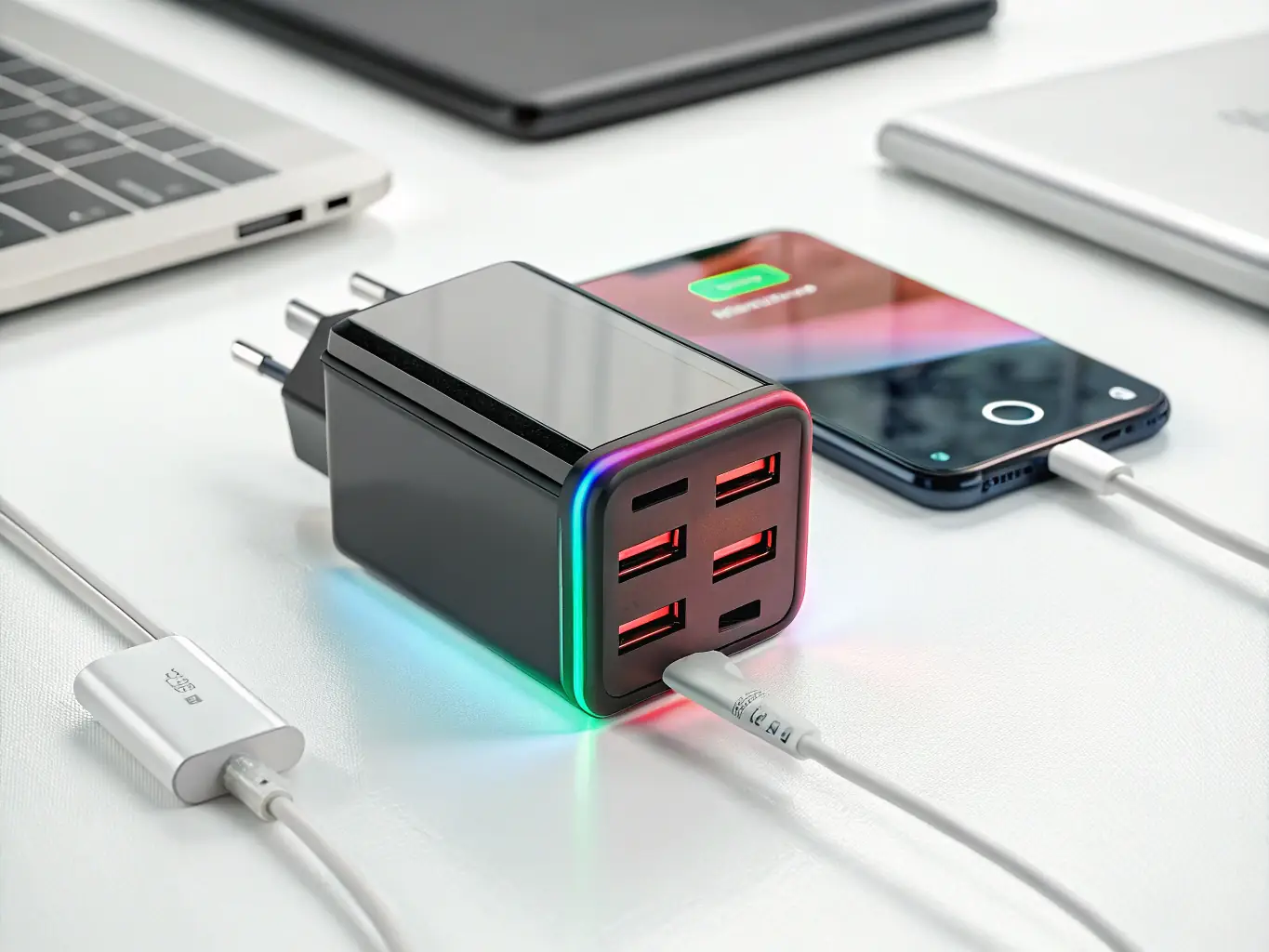
An image of a battery power station with various output ports (AC, USB, DC) clearly visible. The image is used to showcase the different types of output ports available on battery power stations.
Exploring Output Ports
Battery power stations come with various output ports, including AC outlets, USB ports, and DC ports. Ensure the station has the necessary ports to power your devices and appliances.
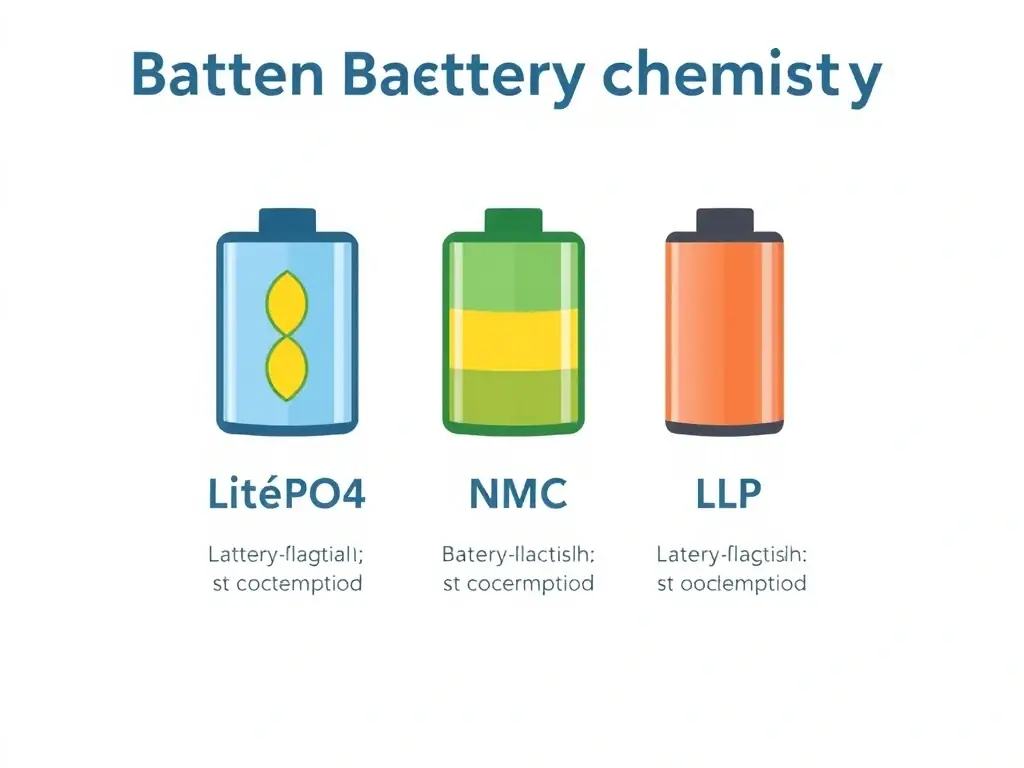
A visual representation of different battery chemistries (LiFePO4, NMC, etc.) with a brief description of each. The image is used to explain the different types of battery chemistries used in battery power stations.
Battery Chemistry Explained
Battery chemistry affects lifespan, safety, and performance. LiFePO4 batteries offer longer lifespans and improved safety compared to NMC batteries. Consider the pros and cons of each type.
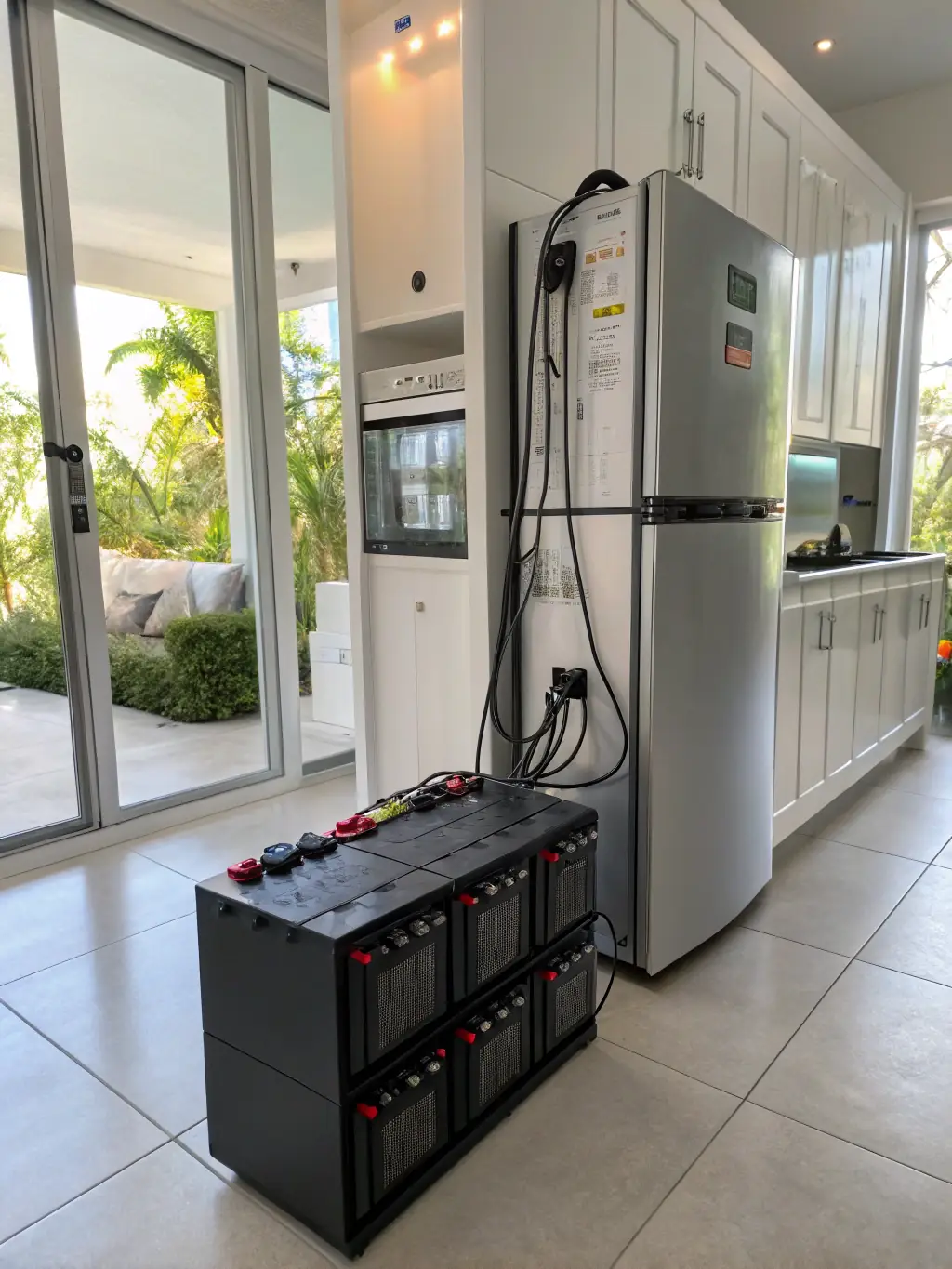
A high-quality photograph of a battery power station being used to power essential home appliances during a power outage, such as a refrigerator and a lamp, emphasizing its role in home backup.
Home Backup: Reliable Power
For home backup, consider a station with high wattage and capacity. Power your fridge, lights, and more during outages. Prioritize models with UPS functionality.
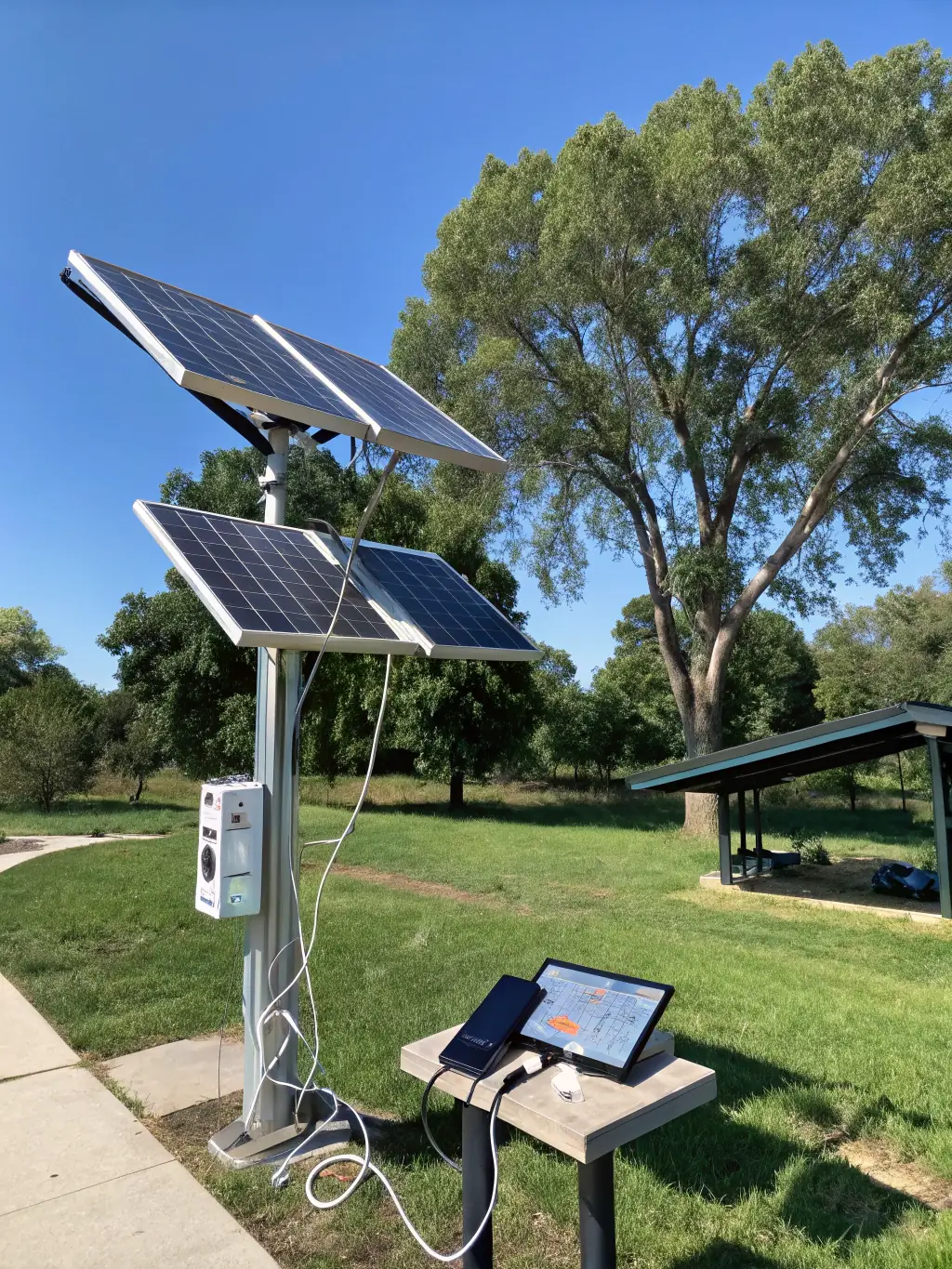
A vibrant image of a portable battery power station charging various devices at a campsite, including phones, tablets, and a portable fridge, highlighting its utility for travel.
Travel: Power On The Go
Choose a lightweight, compact station for travel. Ensure it has enough capacity for your devices. Solar charging compatibility is a plus for extended trips.
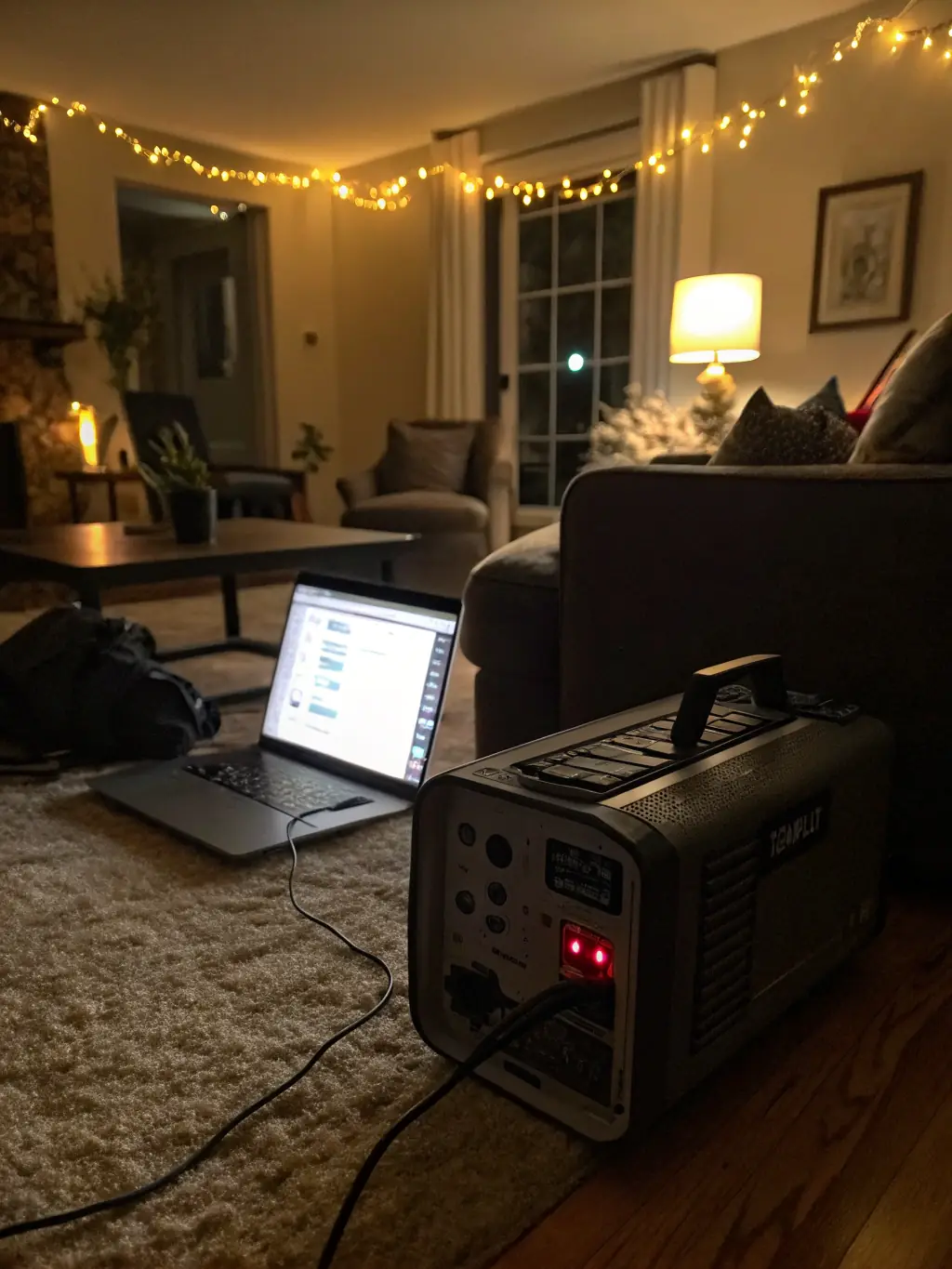
A close-up shot of a battery power station powering medical equipment, such as a CPAP machine, in a home setting, emphasizing its importance for health and safety.
Medical: Critical Device Support
For medical devices, prioritize reliability and pure sine wave output. Ensure the station can handle the device's wattage. Look for models with long warranties.
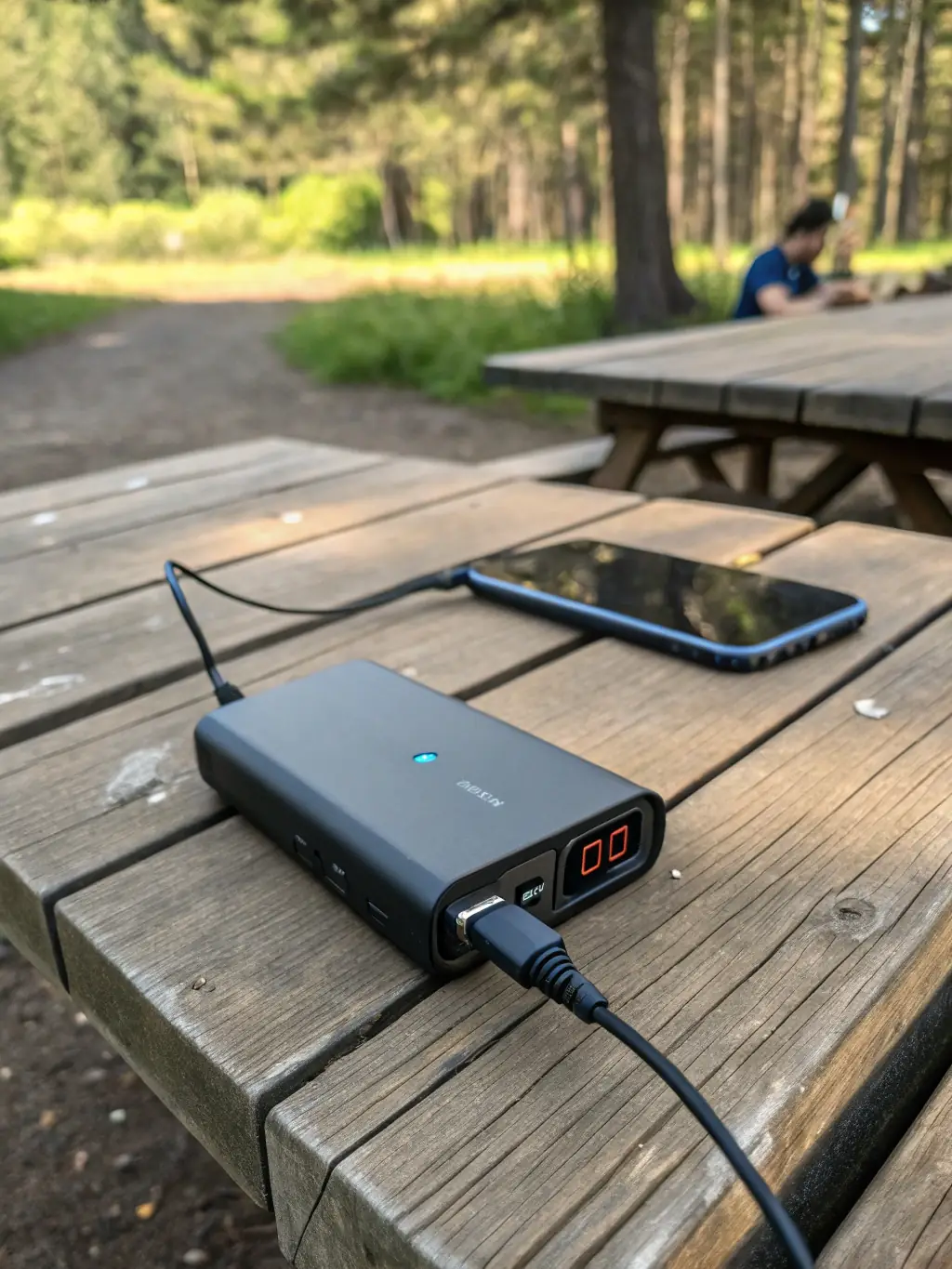
An image of a person working remotely outdoors, using a battery power station to power their laptop, phone, and other work-related devices, showcasing its use for remote work.
Remote Work: Stay Connected
Select a station with multiple USB ports and sufficient capacity for your workday. Consider a model with fast charging capabilities. Portability is key for remote work.
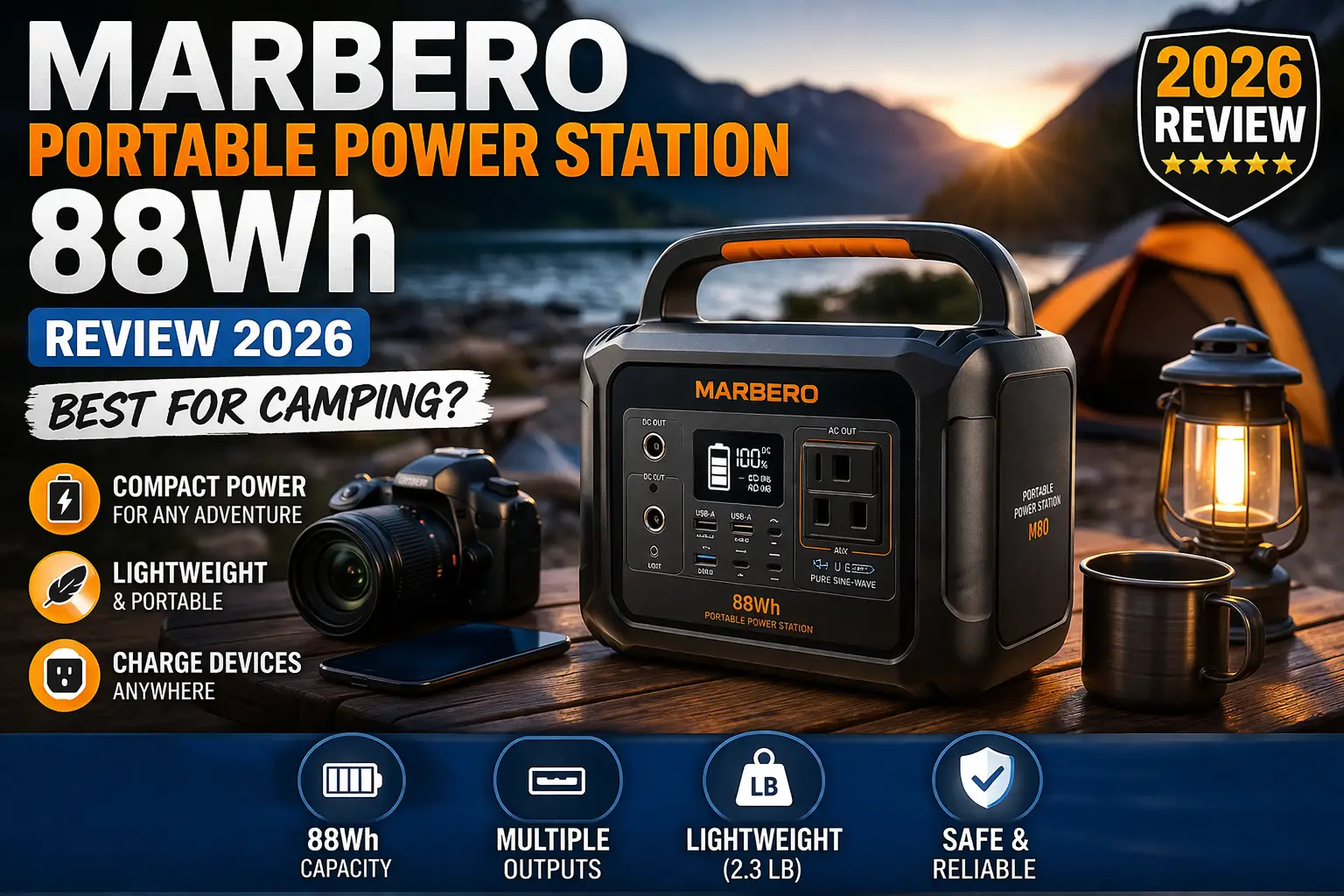
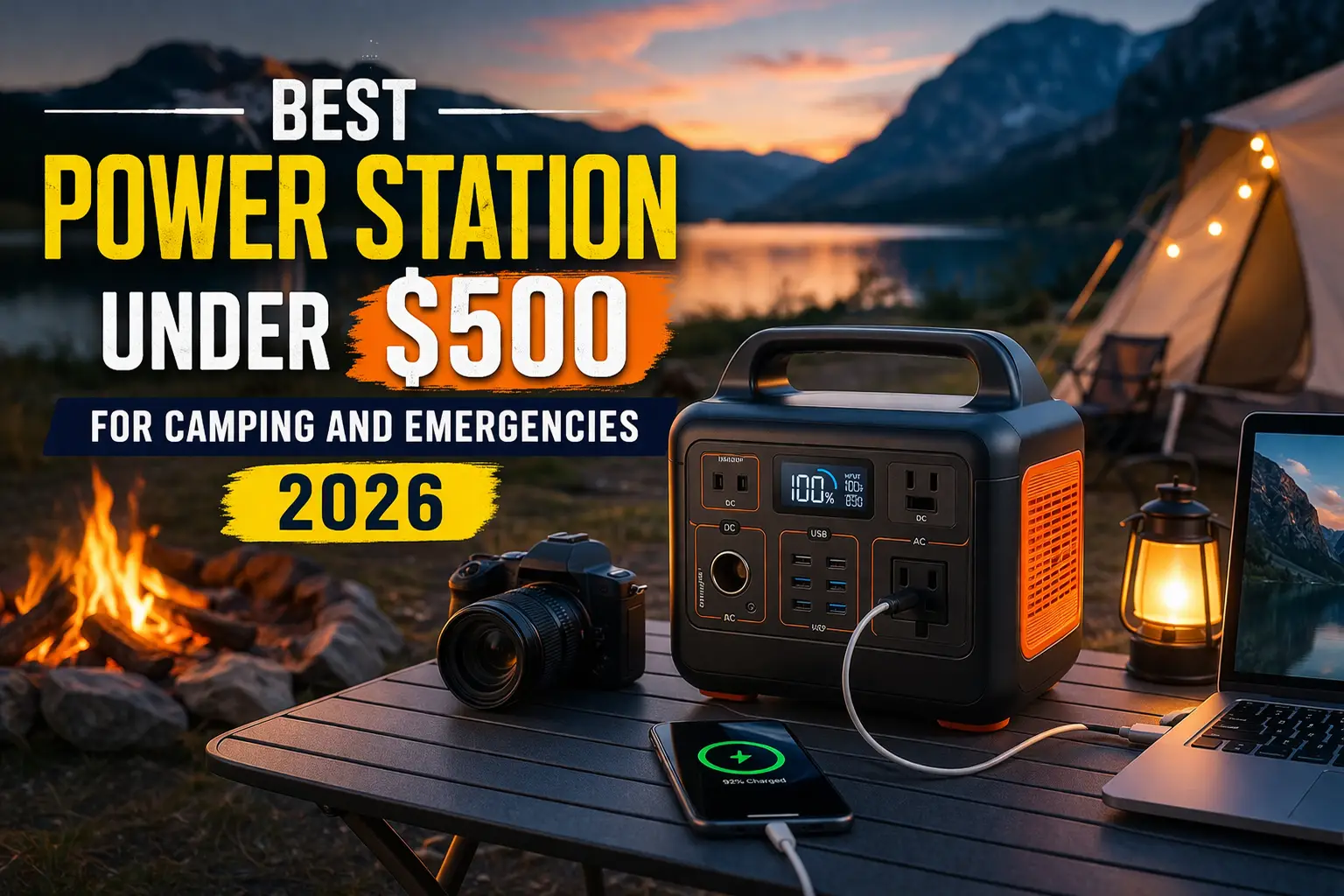
Our Expert Picks for Top Battery Power Stations

Explore our curated selection of top-rated battery power stations. We’ve rigorously tested and compared models to bring you the best options for your specific needs. Dive into our in-depth reviews to make an informed decision.